
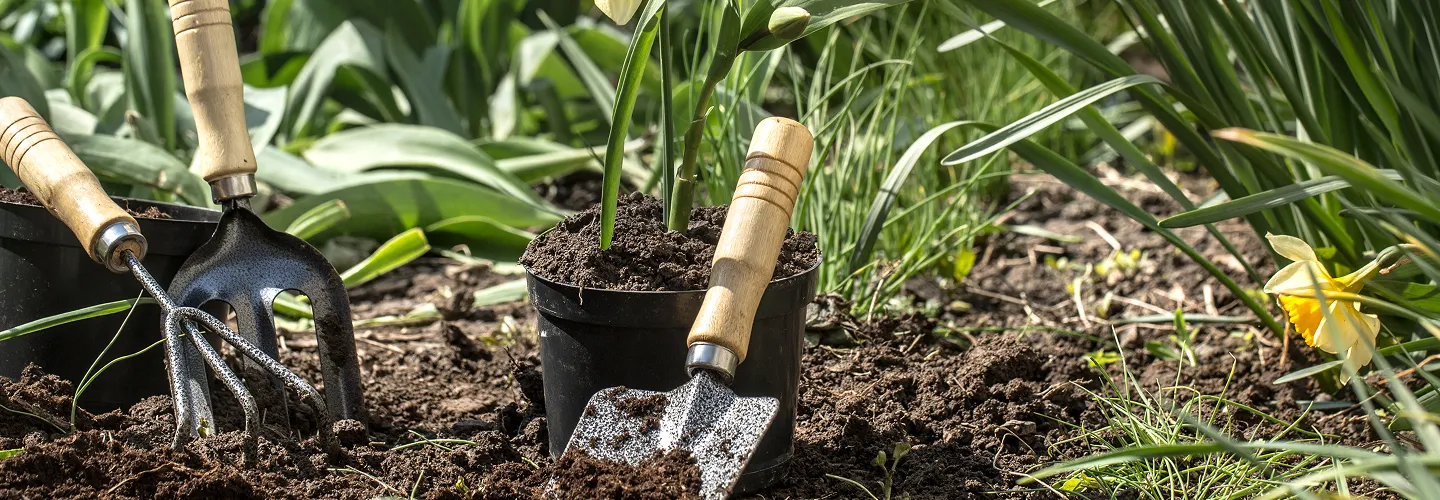
Ellerslie Green Waste Disposal Services
Choose our Green Waste Disposal for reliable, environmentally responsible service that keeps your property tidy while supporting a healthier planet.
Get a Free QuoteOur Ellerslie Landscaping & Yard Care Services
When to Schedule Green Waste Disposal in Ellerslie, Georgia – Seasonal Guide
In Ellerslie, Georgia, the best times to schedule green waste disposal are closely tied to our region’s unique climate and landscape. With warm, humid summers and mild winters, most homeowners in neighborhoods like Callaway Gardens and near the Pine Mountain Ridge find that late spring and early fall are optimal for clearing yard debris. These periods follow the main growth spurts and leaf drops, making them ideal for managing accumulated branches, leaves, and clippings before they become a hazard or attract pests.
Local environmental factors such as our clay-heavy soils, frequent summer thunderstorms, and the risk of late spring frosts all play a role in determining the right disposal schedule. For example, properties shaded by mature oaks along Ellerslie Place may require more frequent service due to dense leaf cover, while homes near the Harris County line might need to consider municipal guidelines and drought advisories. For more information on local regulations and best practices, visit the Sudbury municipal resource.
Local Factors to Consider for Green Waste Disposal in Ellerslie
- Tree density and types (e.g., pine vs. oak)
- Terrain and slope of your property
- Seasonal precipitation and humidity levels
- Proximity to landmarks like Callaway Gardens or Harris County parks
- Municipal restrictions and scheduled pickup dates
- Soil type and drainage characteristics
- Risk of frost or drought conditions
Benefits of Green Waste Disposal in Ellerslie

Eco-Friendly Waste Management
Promotes Healthy Landscapes
Convenient Collection Services
Cost-Effective Disposal Solutions
Supports Local Sustainability
Reduces Landfill Impact
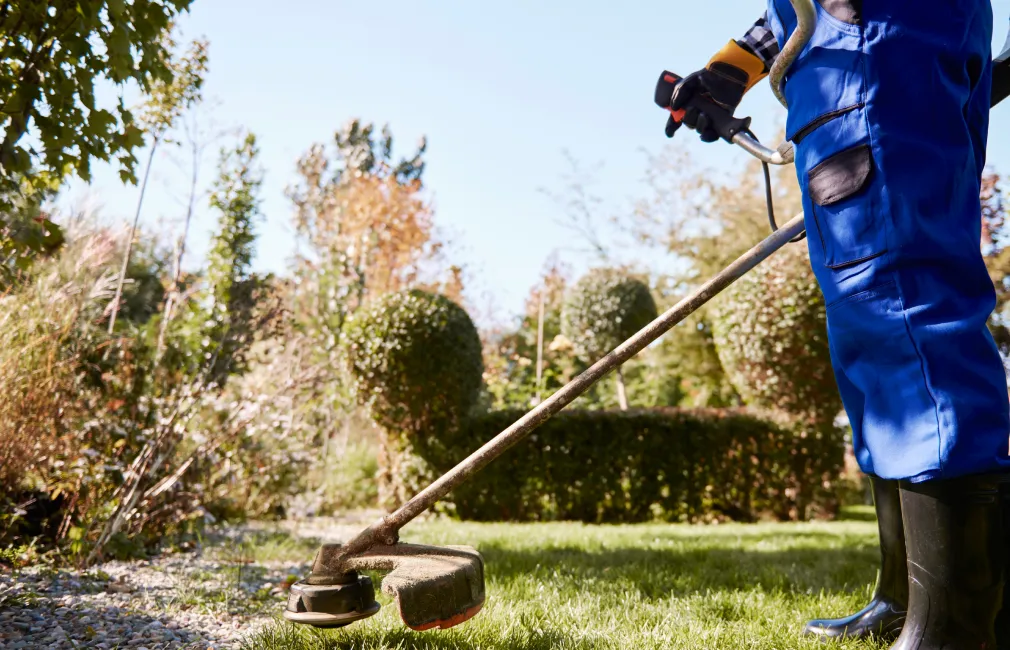
Ellerslie Green Waste Disposal Types

Garden Waste Removal
-
Tree and Branch Disposal
-
Grass Clipping Collection
-
Soil and Dirt Removal
-
Mulch and Compost Pickup
-
Shrub and Hedge Trimming Disposal
-
Leaf Collection Services
Our Green Waste Disposal Process
Collection of Green Waste
Sorting and Separation
Transport to Disposal Facility
Eco-Friendly Processing
Final Site Cleanup
Why Choose Ellerslie Landscape Services
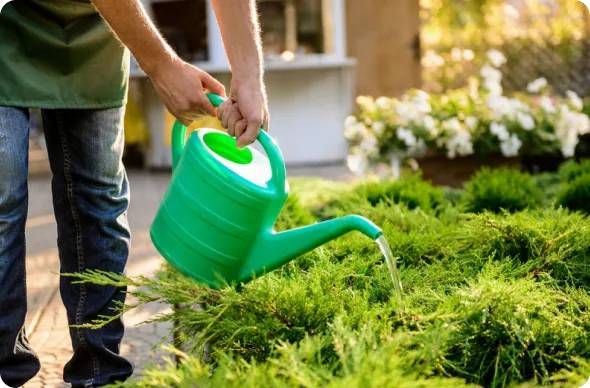
Ellerslie Homeowners Trust Us
-
Comprehensive Lawn Maintenance
-
Reliable Snow Removal
-
Efficient Irrigation Solutions
-
Competitive Pricing
-
Experienced Professional Team
-
Satisfaction Guarantee
-
Personalized Service Plans
Coordinating Green Waste Disposal Through Harris County Public Works and Road Department
Ellerslie is an unincorporated community within Harris County, Georgia, meaning green waste disposal services fall under county-level coordination rather than a standalone municipal program. Harris County does not operate a curbside yard waste collection service comparable to larger Georgia municipalities. Residents and property managers in the Ellerslie area are responsible for arranging proper disposal of grass clippings, leaves, brush, and other organic yard debris through approved methods. The Harris County Public Works and Road Department oversees road right-of-way maintenance and can provide guidance on debris placement near county roads. Key disposal considerations include:
- Brush and limbs must not be placed in drainage ditches or block county road shoulders
- Burning of yard waste may be subject to Georgia Forestry Commission open burning regulations and local burn permit requirements
- Hauling to an approved disposal site may be necessary for large-volume green waste projects
- Verify current right-of-way clearance rules before staging materials along county roads
Contact the county directly to confirm current disposal options and any seasonal restrictions.
Harris County Public Works and Road Department
P.O. Box 365, Hamilton, GA 31811
Phone: (706) 628-4958
Official Website: Harris County Public Works and Road Department
Open Burning Rules and Georgia Forestry Commission Requirements Near Ellerslie
Because Harris County lacks a centralized green waste collection program, many Ellerslie-area property owners rely on open burning to dispose of leaves, brush, and tree trimmings. Georgia law requires compliance with the Georgia Forestry Commission open burning guidelines, which regulate when and how vegetative debris may be burned. Ellerslie falls within USDA Hardiness Zone 8a, and the long warm season from April through October generates substantial volumes of green waste, making proper burn timing critical. Key requirements include:
- Obtain a burn permit from the Georgia Forestry Commission before igniting any outdoor fire for land clearing or yard debris disposal
- Burns are generally restricted to daylight hours, typically starting no earlier than one hour after sunrise
- Maintain a firebreak of adequate width around the burn area to prevent spread into adjacent wooded lots or fields
- Do not burn during drought conditions, high-wind advisories, or when air quality alerts are issued by the Georgia EPD
- Household garbage, treated lumber, and non-vegetative materials must never be included in green waste burns
Georgia Forestry Commission
P.O. Box 819, Macon, GA 31202
Phone: (800) 428-7337
Official Website: Georgia Forestry Commission
Protecting Ellerslie's Creeks and Drainage Corridors During Yard Debris Removal
The Ellerslie area sits within the Middle Chattahoochee River watershed, and numerous small creeks, seasonal drainageways, and farm ponds traverse Harris County's rolling Piedmont terrain. Improper disposal of green waste—such as dumping brush into creek channels or allowing grass clippings to wash into drainage swales—can degrade water quality and contribute to downstream sedimentation. The Georgia EPD Watershed Protection Branch enforces state water quality standards that apply to all property owners, including those in unincorporated areas. Responsible green waste disposal near waterways requires:
- Maintaining a vegetated buffer of at least 25 feet from any creek bank or pond edge before staging brush or debris piles
- Never pushing or dumping yard waste into stream channels, ditches, or stormwater conveyances
- Composting leaves and grass clippings on-site in upland areas away from drainage flow paths
- Ensuring that erosion from cleared areas does not carry organic sediment into waterways
Property owners adjacent to tributaries of Mulberry Creek or other local streams should exercise particular caution during heavy rainfall periods, which are common from March through July in this part of western Georgia.
Seasonal Timing and Volume Management for Ellerslie Green Waste
Ellerslie's western Georgia Piedmont location produces a growing season that typically extends from late March through mid-November, generating green waste across multiple peak periods. Understanding seasonal volume patterns helps property owners plan disposal logistics efficiently. The predominant soils in the Ellerslie vicinity belong to the Cecil and Pacolet series—well-drained red clay loams mapped through the USDA Web Soil Survey—which support vigorous warm-season turf and hardwood growth. Seasonal disposal planning should account for:
- Spring (March–May): Heavy leaf drop from deciduous oaks and hickories, combined with early mowing debris and storm-damaged limbs
- Summer (June–August): Peak grass clipping volume from bermudagrass and zoysiagrass lawns; frequent thunderstorms may generate additional branch debris
- Fall (October–November): Major leaf accumulation from mature hardwood canopy, particularly on wooded residential lots
- Winter (December–February): Lower volume, but ice storms can produce significant limb and brush debris requiring prompt removal
The UGA Cooperative Extension recommends composting grass clippings and shredded leaves on-site when feasible, reducing hauling volume and returning nutrients to Ellerslie's acidic Piedmont soils, which typically test between pH 5.0 and 6.0.
How Harris County Code of Ordinances Affects Green Waste and Property Maintenance
Although Ellerslie does not have its own municipal code, Harris County's Code of Ordinances governs property maintenance standards, nuisance vegetation, and waste disposal practices throughout the unincorporated county. Property owners should review the county code for provisions related to accumulation of yard debris, overgrown vegetation, and improper waste storage that may constitute a nuisance or code violation. Relevant compliance considerations include:
- Accumulated brush, limbs, and organic debris should not be allowed to create harborage for pests or present a fire hazard on residential or commercial parcels
- Green waste must be separated from household solid waste and not placed in standard garbage containers unless the hauler specifically permits it
- Property owners conducting large-scale land clearing or tree removal may need to coordinate with Harris County Community Development regarding site disturbance and erosion control
- Verify whether your private waste hauler accepts bundled brush or requires separate scheduling for bulky green waste pickup
The full county code is accessible online for reference.
Harris County Code of Ordinances
Hamilton, GA 31811
Official Website: Harris County Code of Ordinances
What Neighborhoods Do We Serve Throughout Ellerslie, GA?
- Ellerslie Crossroads / GA-315 Corridor: The central Ellerslie community along Georgia Highway 315 features a mix of older homesteads and newer residential parcels with mature hardwood canopy that generates heavy seasonal leaf and limb debris on Cecil clay soils.
- Mulberry Creek Area: Properties near Mulberry Creek and its tributaries require careful green waste staging to prevent organic debris from entering stream corridors; low-lying parcels may experience seasonal flooding that complicates debris removal timing.
- Pine Mountain Valley Road Vicinity: Rural-residential lots along Pine Mountain Valley Road often include wooded acreage with significant pine and hardwood debris accumulation, requiring periodic brush disposal and potential burn-permit coordination.
- Harris County Recreation Areas: Properties adjacent to Harris County Recreation facilities and parkland should ensure green waste disposal does not encroach on public land or obstruct drainage infrastructure.
- GA-85 / US-27 Rural Residential Parcels: Larger agricultural and residential tracts along the major highway corridors produce substantial seasonal green waste from fence lines, field edges, and mixed pine-hardwood stands, often necessitating on-site composting or coordinated hauling.