
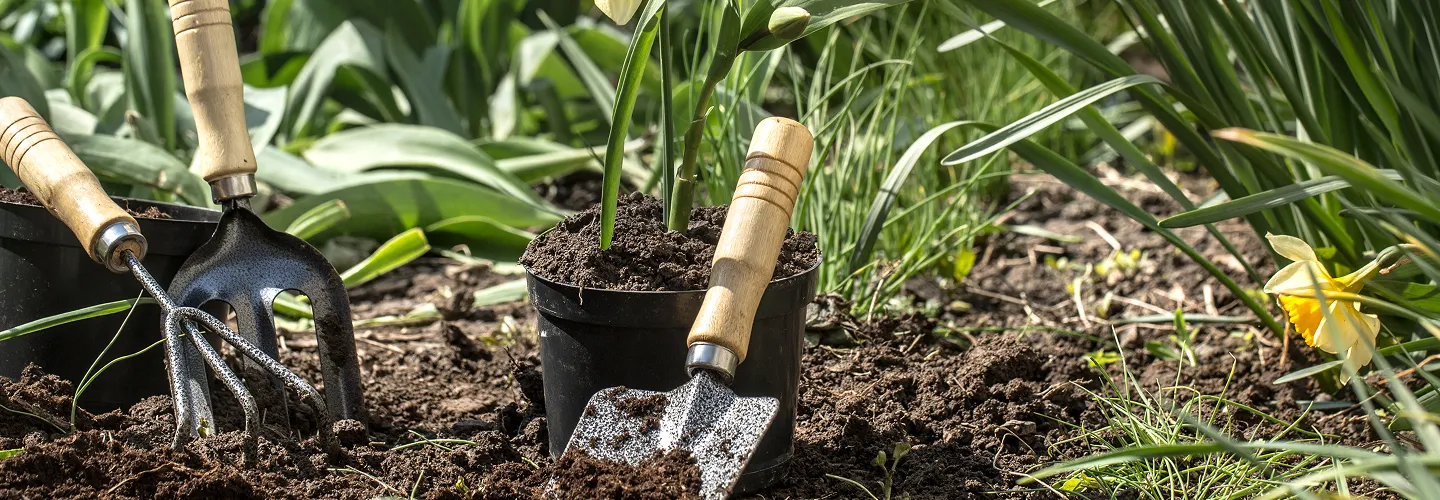
Ellerslie Lawn Seeding Services
Choose our expert lawn seeding services for a lush, resilient yard—our proven methods ensure even growth, improved soil health, and a vibrant lawn that stands out all season long.
Get a Free QuoteOur Ellerslie Landscaping & Yard Care Services
When to Schedule Lawn Seeding in Ellerslie, Georgia – Seasonal Guide
In Ellerslie, Georgia, timing your lawn seeding is crucial for achieving a lush, healthy yard that thrives year-round. The best periods for seeding are typically early fall and late spring, when soil temperatures are warm enough to encourage germination but not so hot as to stress young grass. Ellerslie’s climate, with its humid summers and mild winters, means that seeding in September or early October allows new grass to establish before the first frost, while late April to early May is ideal for spring seeding. Neighborhoods near Harris County High School and the wooded areas around Mountain Hill Road often experience varying shade coverage and soil moisture, which can impact seeding success.
Local environmental factors such as the region’s average last frost date in early April, the risk of late-summer drought, and the prevalence of clay-heavy soils all play a role in determining the optimal seeding window. Homeowners in subdivisions like Callaway Woods should also consider municipal watering restrictions and the unique microclimates created by mature tree canopies. For more information on local climate data and best practices, visit the Sudbury municipal resource.
Local Factors to Consider for Lawn Seeding in Ellerslie
- Tree density and shade coverage, especially in established neighborhoods
- Soil type (clay, loam, or sandy soils) and drainage characteristics
- Average precipitation patterns and drought risk during late summer
- Terrain slope, which can affect water runoff and seed retention
- Municipal watering restrictions or seasonal ordinances
- Proximity to landmarks like Harris County High School or Callaway Gardens, which may influence microclimates
Benefits of Lawn Seeding in Ellerslie

Thicker, Healthier Lawns
Improved Curb Appeal
Enhanced Weed Resistance
Cost-Effective Lawn Solutions
Expert Local Knowledge
Eco-Friendly Landscaping Practices
Ellerslie Lawn Seeding Types

Kentucky Bluegrass Seeding
-
Perennial Ryegrass Seeding
-
Fine Fescue Seeding
-
Tall Fescue Seeding
-
Creeping Red Fescue Seeding
-
Bermuda Grass Seeding
-
Zoysia Grass Seeding
Our Lawn Seeding Process
Site Preparation
Soil Testing
Seed Selection
Seeding Application
Watering and Maintenance
Why Choose Ellerslie Landscape Services
Ellerslie Homeowners Trust Us
-
Comprehensive Lawn Maintenance
-
Reliable Snow Removal
-
Efficient Irrigation Solutions
-
Competitive Pricing
-
Experienced Professional Team
-
Satisfaction Guarantee
-
Personalized Service Plans
Ellerslie's Piedmont Clay Soils and Their Impact on Lawn Seeding Success
Ellerslie is situated in Harris County within Georgia's western Piedmont region, where the predominant soils belong to the Cecil, Madison, and Pacolet series—characterized by red clay subsoils, moderate acidity (pH typically 5.0–6.2), and limited natural drainage. These conditions directly affect lawn seeding outcomes. Clay compaction restricts root penetration and reduces seed-to-soil contact, making surface preparation essential before broadcasting seed. Property owners should consider the following site preparation steps before seeding:
- Soil testing through the UGA Cooperative Extension to determine pH and nutrient deficiencies; lime applications are frequently needed to raise pH above 6.0 for optimal turf germination.
- Core aeration to a depth of 2–3 inches to relieve compaction in established lawns before overseeding.
- Light topdressing with compost or sand-compost blends to improve seed contact on heavy clay surfaces.
- Grading corrections on slopes exceeding 3:1 to prevent seed washout during rain events.
Ellerslie falls within USDA Hardiness Zone 8a, and soil data can be verified through the USDA Web Soil Survey for site-specific planning.
Optimal Lawn Seeding Windows for Ellerslie's Long Warm-Season Growth Period
Timing is one of the most critical factors in lawn seeding success in Ellerslie. The region's long growing season—typically extending from mid-April through mid-October—and warm nighttime temperatures favor warm-season turf species. The National Weather Service Peachtree City forecast office provides localized climate data relevant to Harris County. Key timing guidelines include:
- Bermudagrass and Zoysiagrass seed: sow between late April and mid-June, when soil temperatures consistently reach 65°F or above at a 4-inch depth.
- Tall Fescue (for shaded or transitional areas): seed between mid-September and mid-October, when daytime highs drop below 80°F and soil moisture improves.
- Centipedegrass: seed from May through June, as this species requires sustained warmth and should not be planted after July due to insufficient establishment time before fall.
Avoid seeding during July and August when heat stress, drought risk, and afternoon thunderstorm washout are most severe. UGA Extension recommends monitoring soil temperature with a probe thermometer rather than relying solely on calendar dates, as Ellerslie's microclimate can vary between open lots and wooded parcels.
Protecting Ellerslie's Creeks and Drainage Corridors During Seeding Projects
Ellerslie and surrounding Harris County contain numerous small creeks, intermittent streams, and drainage swales that feed into the Chattahoochee River watershed. Lawn seeding projects—particularly those involving soil disturbance, fertilizer application, or erosion-control materials—must account for sediment and nutrient runoff risks. The Georgia EPD Watershed Protection Branch oversees water quality standards that apply to land-disturbing activities statewide, and the Clean Water Act establishes federal baseline protections for navigable waters.
Residents and contractors should observe the following precautions:
- Maintain a minimum 25-foot undisturbed vegetative buffer from any identified stream or creek bank; verify local buffer requirements through the Harris County Code of Ordinances.
- Install silt fencing or straw wattles on slopes adjacent to drainage swales before any soil preparation or seeding.
- Apply starter fertilizer only at agronomic rates recommended by soil test results; avoid phosphorus applications unless soil testing confirms a deficiency.
- Do not blow or rake loose seed, soil amendments, or straw mulch into storm drains, ditches, or roadside swales.
Harris County Community Development
P.O. Box 365, Hamilton, GA 31811
Phone: (706) 628-4958
Official Website: Harris County Community Development
How Harris County Road and Infrastructure Conditions Affect Seeding Site Access
Ellerslie is an unincorporated community within Harris County, and many residential properties are accessed via county-maintained roads, private drives, or rural easements. Before initiating a lawn seeding project—especially one requiring equipment delivery, bulk material staging, or irrigation hookups—property owners should coordinate with relevant county departments. Key considerations include:
- Right-of-way boundaries: Verify the county right-of-way width along your road frontage before seeding or grading within the shoulder area. The Harris County Public Works and Road Department maintains county roads and can clarify right-of-way limits.
- Utility easements: Contact Harris County Water Works before trenching for irrigation lines or disturbing soil near water mains.
- Driveway culverts and ditches: Do not obstruct roadside drainage ditches with soil, straw, or seed material; blocked culverts can cause road flooding and may result in code enforcement action.
- Building permits: Large-scale grading or land disturbance associated with lawn establishment may trigger permit review; confirm thresholds through Harris County Building Permits.
Harris County Public Works and Road Department
P.O. Box 365, Hamilton, GA 31811
Phone: (706) 628-4958
Official Website: Harris County Public Works and Road Department
Georgia Fertilizer Regulations and Starter Applications for New Lawn Seedings
Any fertilizer applied during a lawn seeding project in Ellerslie must comply with the Georgia Fertilizer Act of 1997, administered by the Georgia Department of Agriculture. This law governs labeling, nutrient guarantees, and registration of fertilizer products sold and applied in the state. For lawn seeding projects, the following guidance applies:
- Starter fertilizers should have a higher phosphorus ratio (e.g., 5-10-5 or similar) only when soil tests confirm phosphorus levels below 30 pounds per acre. Unnecessary phosphorus contributes to algal growth in downstream waterways.
- Nitrogen applications at seeding should not exceed 0.5–1.0 pound of nitrogen per 1,000 square feet to avoid seedling burn.
- Slow-release nitrogen sources are preferred to reduce leaching risk in Ellerslie's clay-over-saprolite soil profile.
- Lime applications should be made 4–6 weeks before seeding when possible, based on UGA Extension soil test recommendations, to allow pH adjustment before germination.
Professional applicators handling fertilizer commercially must hold appropriate credentials through the Georgia Department of Agriculture's licensing program.
What Neighborhoods Do We Serve Throughout Ellerslie, GA?
- Ellerslie Town Center Area: Older residential lots along GA Highway 85 and US Highway 27 often feature compacted clay soils from decades of use, mature hardwood canopy creating partial shade, and narrow frontage requiring careful seed species selection between sun and shade blends.
- Mulberry Creek Vicinity: Properties near Mulberry Creek and its tributaries face higher moisture levels and potential buffer restrictions; warm-season grasses tolerant of periodic wet conditions, such as centipedegrass, may perform best in low-lying sections.
- Pine Mountain Valley Corridor: Lots along the Pine Mountain Valley road corridor tend toward sandier, well-drained Piedmont transition soils with moderate slopes, requiring erosion-control measures during seeding establishment.
- Flat Rock and Rural Harris County Parcels: Larger rural lots south and east of Ellerslie often have mixed soil profiles, open sun exposure, and limited irrigation access, making drought-tolerant bermudagrass varieties a practical choice.
- Newer Subdivisions off US-27: Recently developed properties may contain compacted fill soils and disturbed subgrade, requiring thorough aeration and soil amendment before seeding can achieve reliable germination rates.
- Wooded Residential Lots Near Callaway Gardens Periphery: Heavy tree canopy from oaks and pines creates dense shade and acidic leaf litter accumulation; shade-tolerant fescue or zoysiagrass blends and annual pH correction are typically necessary.